
Fast answers for soggy spots and rising water costs.
Irrigation Detection & Repair Services in North & Central Alabama
Water issues aren’t always obvious. A minor leak in your ceiling, crawl space, basement, or even your irrigation system can leave behind stains, damp areas, dying landscape, or unexplained increases in your water bill, often without revealing where the problem actually begins. That’s where we come in.
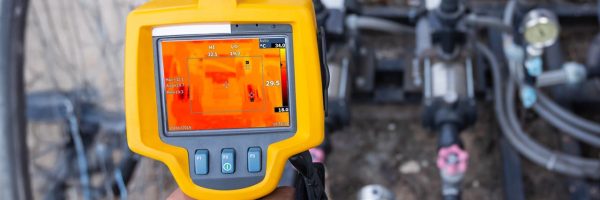
At Allstate Leak Detection, we specialize in locating the leaks others can’t see. With advanced diagnostic equipment and years of technical expertise, we identify the exact source of water intrusion without unnecessary digging or disruptive damage.
Our mission is straightforward: provide prompt, accurate answers so you clearly understand the situation and the next steps. Whether it’s a slab leak beneath your foundation, an irrigation leak affecting your yard, or rainwater intrusion after severe weather, our team delivers professionalism, precision, and genuine care with every service call.
Contact us today, and let’s track down that leak before it grows faster than your lawn.
Repairing & Detecting Irrigation Leaks
We use advanced sonar-based acoustic equipment to detect leaks on irrigation lines with accuracy and precision. We locate the source of the problem without unnecessary excavation or disruption to your yard. Throughout the process, we keep you informed so you understand each step of the inspection.
Once the leak is identified, our team can complete the repair and ensure no other leaks are present. We address damaged irrigation lines and restore your system to proper working condition. Everything is handled efficiently and professionally from start to finish.
Call today and let us help you stop wasting water and protect your landscape.
Detecting Leaks Across Your Property
Water issues can show up in ceilings, basements, crawl spaces, or even out in your yard. Each situation leaves different signs, and finding the cause takes more than guesswork.
Our team combines advanced tools with real hands-on experience to track down leaks wherever they’re hiding. The result: clear answers that save you time, stress, and costly repairs.


Irrigation Leak FAQ
Got questions about irrigation leaks? You’re not alone. Homeowners often ask how leaks are found underground, why their sprinklers aren’t working right, or what happens once a problem is located.
We’ve gathered some of the most common questions and answered them in straightforward terms, so you’ll know what to expect when you call us.
The easiest way to spot an irrigation leak is to look for changes in water use and signs of pooling or uneven growth in your yard. Small leaks can be tricky, but a few checks will help you confirm.
Signs your irrigation system may be leaking:
- Higher water bills without changing your watering schedule
- Wet spots or puddles in areas that should dry out quickly
- Mushy or sunken soil along irrigation lines
- Plants growing unevenly, some too lush, others too dry
- Water spraying or misting from broken sprinkler heads
- Running water sounds even when the system is off
Quick DIY checks:
- Turn off all water inside your home and check the water meter. If it keeps moving, there may be a leak.
- Run one irrigation zone at a time to see if water pressure drops or sprinklers sputter.
- Walk your yard after a cycle to spot soft ground or unexpected wet patches.
Why this matters: Catching leaks early prevents wasted water, higher bills, and potential lawn or foundation damage.
Puddles or soggy areas in your yard often indicate that water is escaping from the system before it evenly reaches the grass. This can happen when an underground pipe develops a crack, a fitting comes loose, or a sprinkler head isn’t sealing the way it should. Instead of moving through the system as designed, the water seeps into one spot and builds up on the surface.
Sometimes the leak is small, and the ground just feels soft or spongy after watering. Other times, it can create standing water, muddy patches, or even attract insects. Over time, this wasted water can raise your utility bill and make parts of your yard unhealthy while leaving other areas too dry.
The good news is that specialized leak detection equipment can track down the problem without digging up your whole lawn. Once the source is found, repairs are straightforward, and your irrigation system can go back to keeping your yard healthy and balanced.
Irrigation lines are typically buried 8 to 12 inches deep. This protects the pipes from damage while still allowing easy maintenance access.
- PVC Sprinkler Lines: 10–12 inches deep
- Drip Irrigation Tubing: 6–8 inches deep, sometimes surface-laid under mulch
- Cold Climates: Deeper burial may be required below the frost line
Why this matters: Proper depth prevents accidental damage from
Yes, tree roots are a common cause of irrigation leaks. As roots grow, they naturally seek out water sources underground. If an irrigation line is nearby, roots can press against it, wrap around it, or even pierce through small cracks and weak points. Over time, this pressure can break the pipe or pull fittings loose, leading to hidden leaks.
When this happens, you may notice wet spots near trees, uneven water pressure, or sprinklers that don’t work the way they should. Left alone, the problem often worsens as the roots grow. Detecting the leak early saves water and protects your irrigation system from further damage.
A broken sprinkler head usually causes visible spraying or pooling around one sprinkler, while a line leak affects the underground piping and often leads to low pressure or wet spots across an area.
Key differences:
- Broken sprinkler head:
- Water gushes, sprays unevenly, or dribbles around one sprinkler.
- The damage is above ground and easy to see.
- Often caused by lawnmowers, foot traffic, or wear and tear.
- Line leak:
- Water seeps underground, creating soggy patches or unusually green grass.
- Pressure drops across several sprinklers, not just one.
- Harder to spot since pipes are buried.
Why this matters: Identifying the issue correctly helps you avoid wasted water and unnecessary repairs. A broken sprinkler head is a quick fix, while a line leak may require digging and professional repairs.
Irrigation is No Longer an Irritation for Our Clients
Irrigation Leak Tips & Insights
Our blog offers practical advice on recognizing early signs of irrigation system issues and highlights how professional leak detection can simplify the process when problems are difficult to locate. Each article is written clearly, helping you stay informed, prepared, and confident about what to do next.
Contact Allstate Leak Detection
Don’t let an irrigation leak waste water, damage your yard, or run up your bill. If you think your system has a problem, quick action makes all the difference. Our team responds fast, pinpoints the source, and provides clear answers without unnecessary digging.
Call us to connect with a trained leak detection specialist. We arrive equipped with advanced diagnostic technology, provide a clear explanation of our findings, and handle the repair so your system gets back to normal quickly.
When water is leaking underground, timely detection and repair can reduce stress, protect your landscape, and prevent costly water loss. Reach out now and let us address the issue before it grows.