
Finding the source when stains and damp spots don’t explain enough.
Allstate's Hidden Leak Detection Professionals in North & Central Alabama
Water problems aren’t always easy to see. A small leak in your ceiling, crawl space, or basement can leave behind stains, damp spots, or rising water bills without ever showing the actual source. Left unchecked, these issues can spread quietly, damaging drywall, flooring, or even your foundation before you realize the extent of the problem.
At Allstate Leak Detection, we specialize in identifying leaks that others often miss. With advanced diagnostic equipment and hands-on training, we locate water issues at their source without unnecessary excavation or damage.
We deliver quick, clear explanations so you know what’s happening and what comes next. Our team brings knowledge and care to every call, helping you protect your property and prevent costly repairs.
Contact us today to schedule your inspection and get peace of mind about hidden water problems.
Most Common Hidden Leaks
Hidden leaks often start small, but early signs can include water stains, musty odors, or higher water bills. These leaks usually occur behind walls, under floors, or beneath concrete, and may cause significant damage if not detected quickly.
Why this matters: Spotting hidden leaks early prevents costly water damage and mold growth. Our professional leak detection service identifies the source so repairs can be made before the problem worsens.
Detecting Hidden Leaks Across Your Property
Water issues can show up in ceilings, basements, crawl spaces, or even outside in the yard. Each one leaves different clues, and guessing rarely solves the problem.
We combine advanced equipment with years of hands-on know-how to find the source. By locating leaks quickly and accurately, we help you reduce stress, protect your property, and avoid unnecessary repairs.


Hidden Leak FAQ
Hidden leaks leave many homeowners with more questions than answers. Can a leak really be found under concrete? How deep can detection go? What happens after a leak is located?
We’ve gathered some of the most common questions we hear and explained them in detail, so you know what to expect before you call.
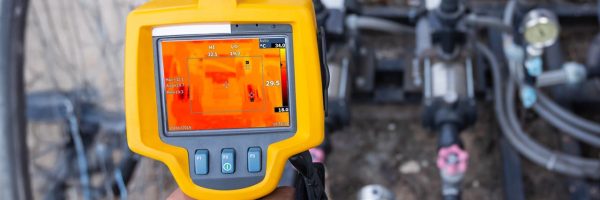
Hidden leaks can often be tracked down without opening up your walls or ceilings. We use advanced tools like sensitive listening devices, thermal imaging, and moisture meters to follow the path of the water. These methods let us pinpoint the exact location of the problem while keeping your property intact.
If repairs are needed, you’ll know exactly where to focus instead of guessing or removing large sections of drywall. This saves time, lowers repair costs, and helps prevent unnecessary disruption to your home.
Crawl space leaks can go unnoticed for a long time, but there are some clear warning signs. Paying attention early can save you from bigger repairs later.
Common signs of a crawl space leak:
- Standing Water or Damp Soil: Puddles or wet ground under your home.
- Musty or Moldy Smell: Odors coming from below, often stronger after rain.
- Rust or Corrosion: On pipes, ducts, or other metal fixtures.
- Sagging Floors: Moisture can weaken beams and joists over time.
- Visible Mold or Mildew: Growing on wood, insulation, or foundation walls.
- Increased Pests: Bugs and rodents are drawn to damp crawl spaces.
- High Humidity Indoors: Moisture below can raise humidity inside your home.
Why it matters: Leaks in crawl spaces often lead to mold growth, structural damage, and even health issues if ignored.
Plumbing leaks and rainwater intrusion can cause water damage, but the source and signs differ. Knowing which one you’re dealing with helps you fix the problem faster.
Plumbing leak signs:
- Water shows up even when it hasn’t rained.
- Damp spots near pipes, fixtures, or appliances.
- Consistent or growing water damage in the same area.
- Higher water bills or a meter that runs when no water is being used.
Rainwater intrusion signs:
- Water appears after heavy rain or storms.
- Stains near windows, roofs, basements, or crawl spaces.
- Damage that seems worse on one side of the house (where rain hits hardest).
- Soil erosion or pooling water around the foundation.
Why it matters: Plumbing leaks usually require a plumber, while rainwater intrusion may call for better drainage, roofing, or sealing. Getting the diagnosis right saves time and money.
We’ve Found Their Hidden Leaks
Hidden Leak Tips & Insights
Our blog offers practical advice on recognizing early signs of hidden water issues and explains how professional leak detection works when leaks are out of sight. Each article is written clearly, helping you stay informed, prepared, and confident about what to do next.
Contact Allstate Leak Detection
Don’t let a hidden leak quietly damage your home or drive up your water bill. Small leaks behind walls, in crawl spaces, or under concrete can become major problems if they’re not addressed quickly. Our team responds fast, locates the source, and gives you straightforward answers without unnecessary damage.
Call us to connect with a trained leak detection specialist. We arrive equipped with advanced diagnostic technology, provide a clear explanation of our findings, and outline the recommended next steps so you can make confident, informed decisions.
When water is escaping out of sight, early detection can save you stress, protect your property, and prevent costly repairs. Reach out now and let us track down the problem before it worsens.